



Antarctica New Zealand is the government agency charged with carrying out New Zealand’s activities in Antarctica; supporting world leading science and environmental protection. Their vision is: Antarctica and the Southern Ocean – Valued, Protected, and Understood. We work to ensure that Antarctica’s environment continues to be protected, that scientists are supported to find the answers to complex scientific questions, and that science outcomes are communicated back to policy makers and the public.
The University of Waikato, Te Whare Wananga o Waikato, has a longstanding involvement in Antarctic Research with its first scientific expedition to Antarctica taking place only a few years after the University opened in the mid 1960s. Since then, University researchers have participated in expeditions all over Antarctica and they have led international efforts and they are the home for the International Centre for Terrestrial Antarctic Research.
BLAKE, in partnership with Antarctica New Zealand and the University of Waikato, provide incredible opportunities for one young New Zealander each year to visit Antarctica through the BLAKE Antarctic Ambassador programme.
The BLAKE Antarctic Ambassador will work alongside teams of scientists in Antarctica and use their experience to inspire and educate others through their experience.
In doing so, this programme helps safeguard the future of the Antarctic environment by building capability and understanding in young New Zealanders.
Antarctica is the ultimate environment for experiential learning and adventure. Our Antarctic Ambassadors develop new skills, knowledge and networks in one of the most stunning and challenging environments on the planet.
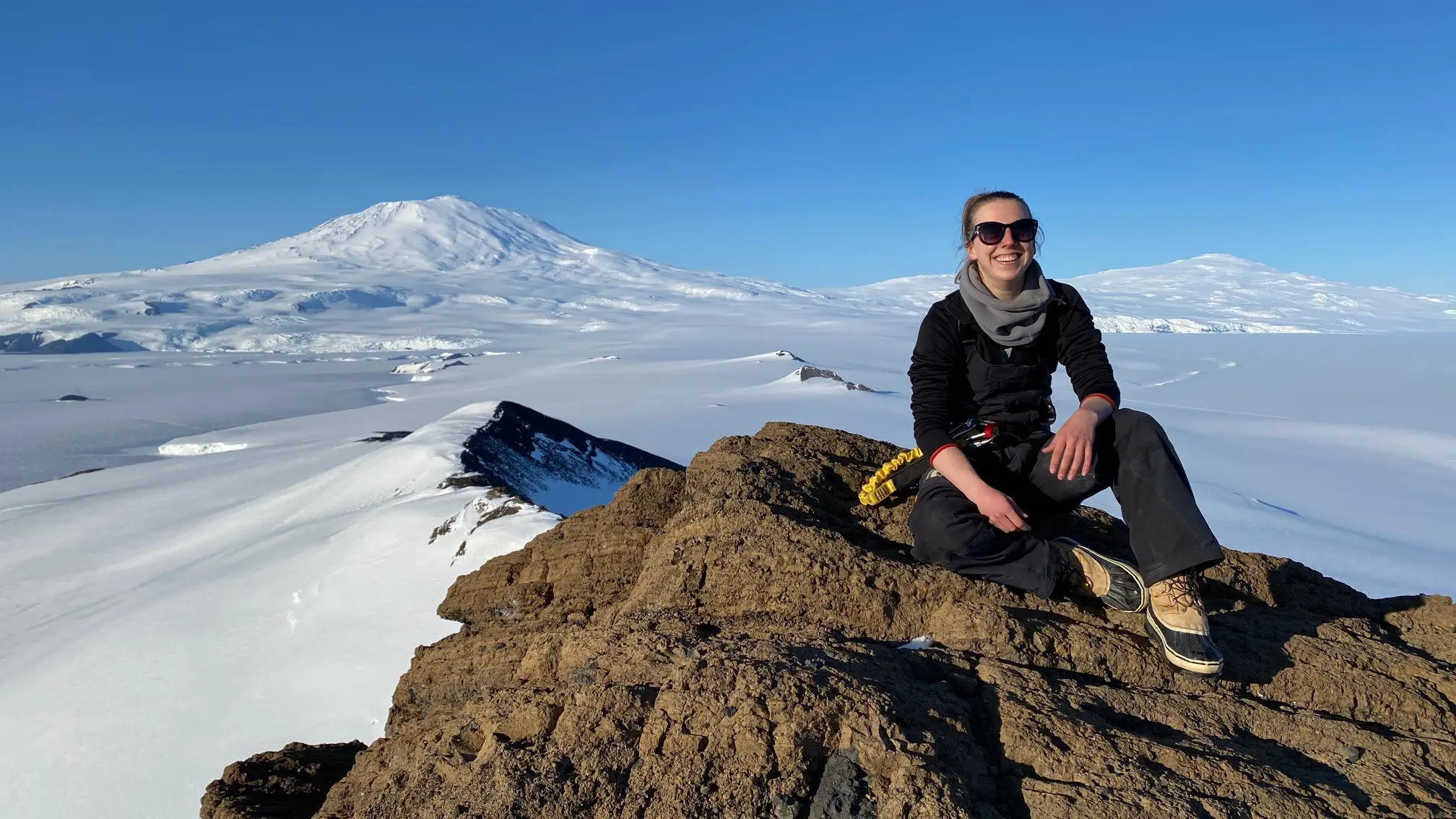
BLAKE Antarctic Ambassador Programme – 2024/2025
BLAKE Antarctic Ambassador – Antarctica New Zealand and University of Waikato
One position available
December 3rd 2024 – February 25th 2023 (9 weeks)
The 2024 BLAKE Antarctic Ambassador will participate in an expedition to Antarctica’s Dry Valleys, 100 km from New Zealand’s Scott Base. Here an international team of scientists is making measurements to determine the origin and rate of greenhouse gases being released from Antarctica’s frozen ground as global climate warms.
During their time in Antarctica, they will work as part of an international team and spend eight weeks camping in below zero conditions learning about geochemical and geophysical sampling techniques and contributing to the international effort to understand the full challenge of climate change from natural feedbacks in greenhouse gas emissions.
Some of the activities will include:
- Camping in below zero conditions for two months
- Walking 10-20 km each day carrying heavy packs with scientific equipment
- Conducting gas, water and soil sampling
- Installing seismometers
- Assisting with data processing
- Assisting with sample analysis in a specialist laboratory installed in the field
